Does a dirty towel cause acne? What the evidence says
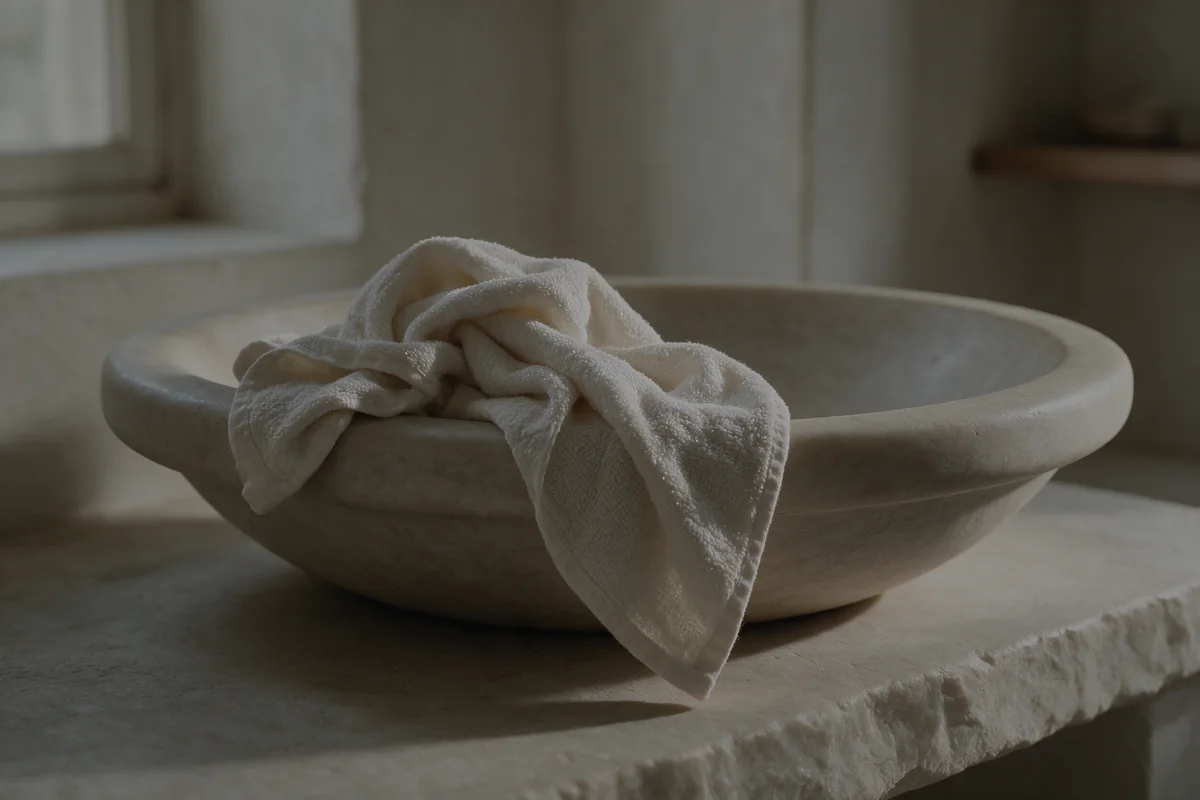
Does a dirty towel cause acne? Rarely on its own, but it can be a real contributing factor. There are two separate mechanisms at play, and understanding them is more useful than a flat yes or no.
Can a dirty towel cause acne? The two mechanisms
Friction, or acne mechanica
Rubbing a towel against your face, especially a rough or reused one, creates friction. Friction, heat, and pressure against skin are documented triggers for a specific pattern of breakouts called acne mechanica, the same mechanism behind breakouts under helmets, headbands, and tight straps.
Buildup and transfer
A towel that's been reused for days accumulates oil, dead skin cells, and leftover product residue from every previous use. Pressing that back onto your face daily reintroduces exactly what your cleanser just removed.
What the evidence actually supports
KALMER is a cosmetic product, not a treatment, so we won't tell you a dirty towel is definitively causing your acne, or that switching towels will clear it. What's well supported is narrower: friction is a documented acne trigger, and a reused cloth is a plausible source of both friction and buildup. Whether that's meaningfully contributing to any one person's skin varies, and acne has many other drivers, hormonal, genetic, and otherwise, that a towel has nothing to do with.
Other everyday things that can contribute to breakouts
- Sweat left sitting on skin after a workout, especially under equipment. See does sweat cause acne.
- Touching your face throughout the day.
- Pillowcases that go too long between washes.
- Rich or occlusive products layered on top of each other.
The simple version
- Wash your face towel or cloth regularly, not just when it looks dirty.
- Pat, don't rub, especially if you're already breakout-prone.
- Use a fresh, clean surface each time. The Daily Roll removes the variable entirely: unwrap, use once, throw away.
We can't make medical claims, so we won't tell you a clean towel treats acne. What we can tell you: removing a reused, residue-laden towel from your routine removes one plausible source of friction and buildup. Results vary, but the logic is straightforward. For the full comparison against a reusable cloth, see disposable face towels vs washcloths.
Frequently asked questions
Can a dirty towel cause breakouts?
+
It can contribute, mainly through two mechanisms: friction against skin (acne mechanica) and transferring back oil, dead skin, and product residue that built up since its last wash. It's rarely the sole cause.
How often should I wash my face towel to avoid acne?
+
Ideally after every use, or at least every 1 to 2 days. The longer it goes between washes, the more it accumulates to press back onto your skin.
Is rubbing my face with a towel bad for acne-prone skin?
+
Yes, more than most people realize. Friction is a documented acne trigger. Pat dry instead of rubbing, especially if you're breakout-prone.
Will switching to a clean towel every day clear my acne?
+
We can't make that claim. It removes one plausible contributing factor, friction and buildup transfer, but acne has many other drivers a towel doesn't touch.